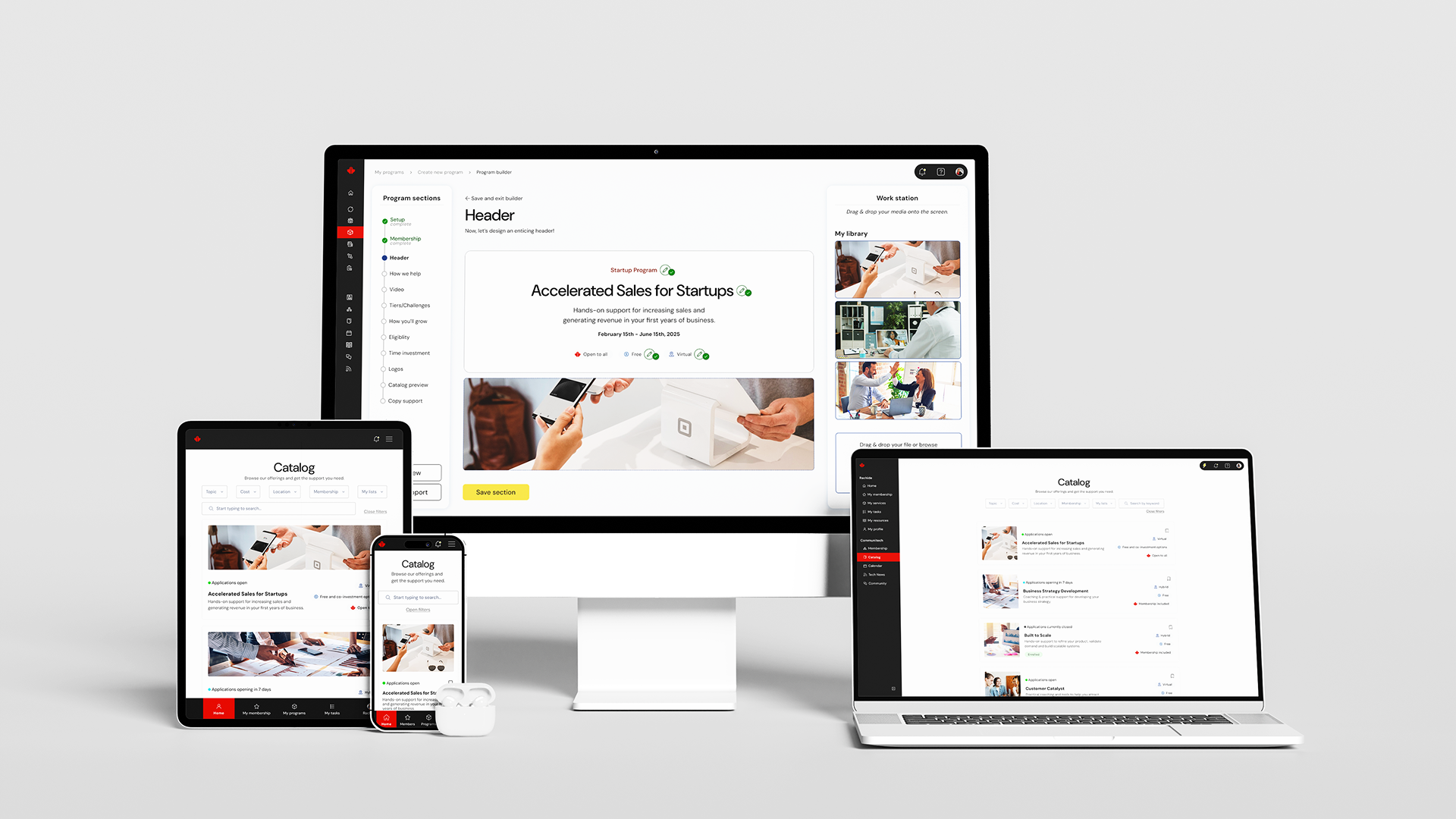
As the sole UX/UI Designer, I was tasked with creating a centralized portal for 1,200+ client companies to access services.
Through research and cross-functional collaboration, I helped stakeholders recognize that UX best practices alone would not resolve the core usability issues - 11 service teams were operating with fragmented workflows, communication methods and legacy tools.
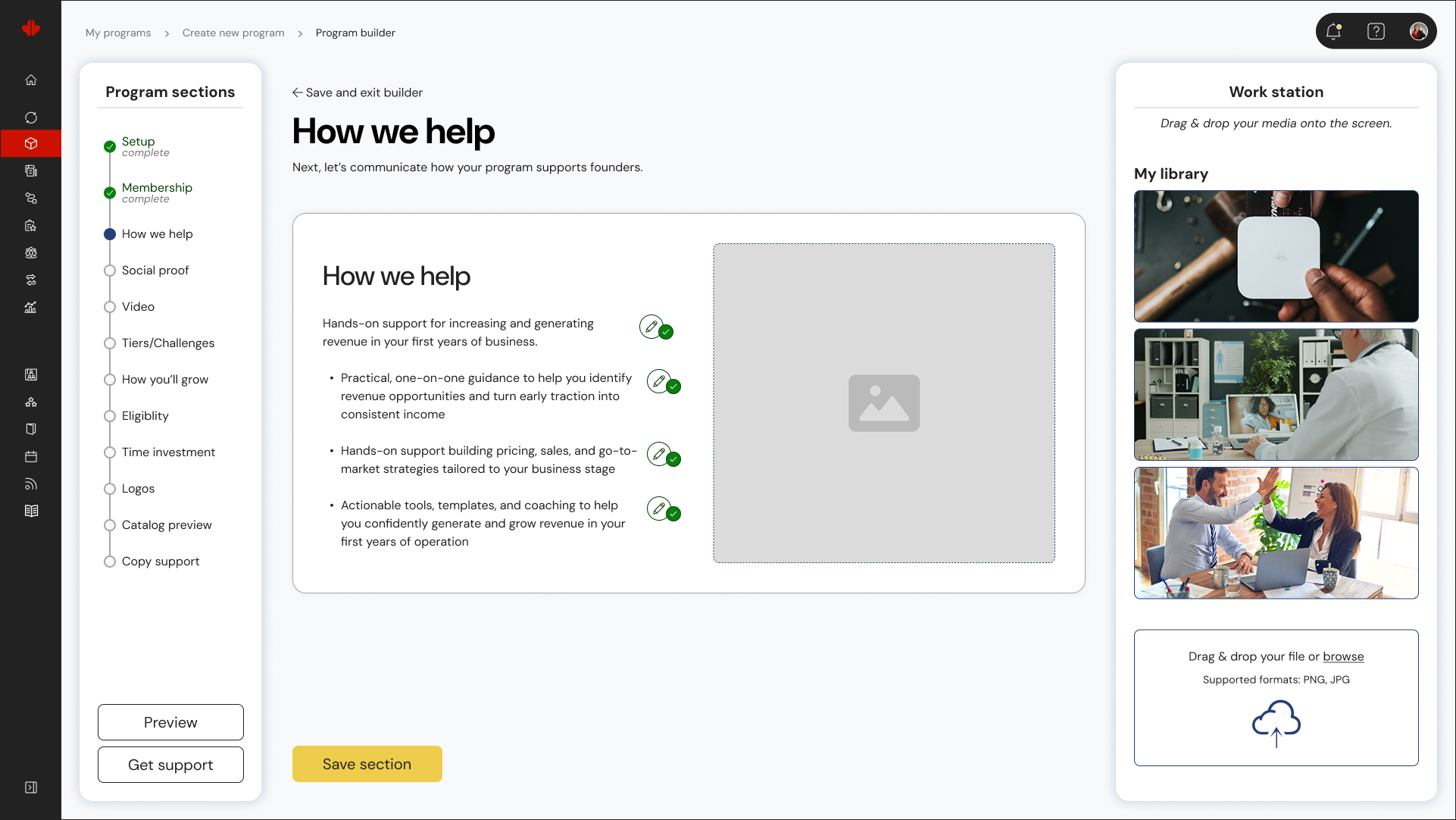
By applying service design principles, I unified these teams into a single client-facing portal supported by admin tools and a custom CRM - significantly simplifying the end-user experience.
*Due to confidentiality terms, the client name and specific identifiers have been ommitted.
Client
Year
Roles
OUTCOME
One-stop portal for clients and internal staff alike
I guided stakeholders to recognize that UX best practices alone would not resolve the core usability challenges. Instead, we needed to re-examine and redesign the underlying service strategy to simplify the experience for real user’s.
The solution was a centralized client-facing portal powered by a set of admin-facing tools and a custom CRM, designed to unify service delivery across teams.
.png)
.png)
.png)
.png)
.png)
PROBLEM
Scattered systems, scattered minds
The organization supported over 1,200+ client companies through 11 independent service teams, each operating with their own workflows, communication styles, intake processes and legacy tools.
From the client's perspective, this resulted in a fragmented and confusing experience - repetitive requests for information, unclear next steps, inconsistent messaging and difficulty tracking progress across services.
Both internal productivity and client-facing usability were negatively impacted.
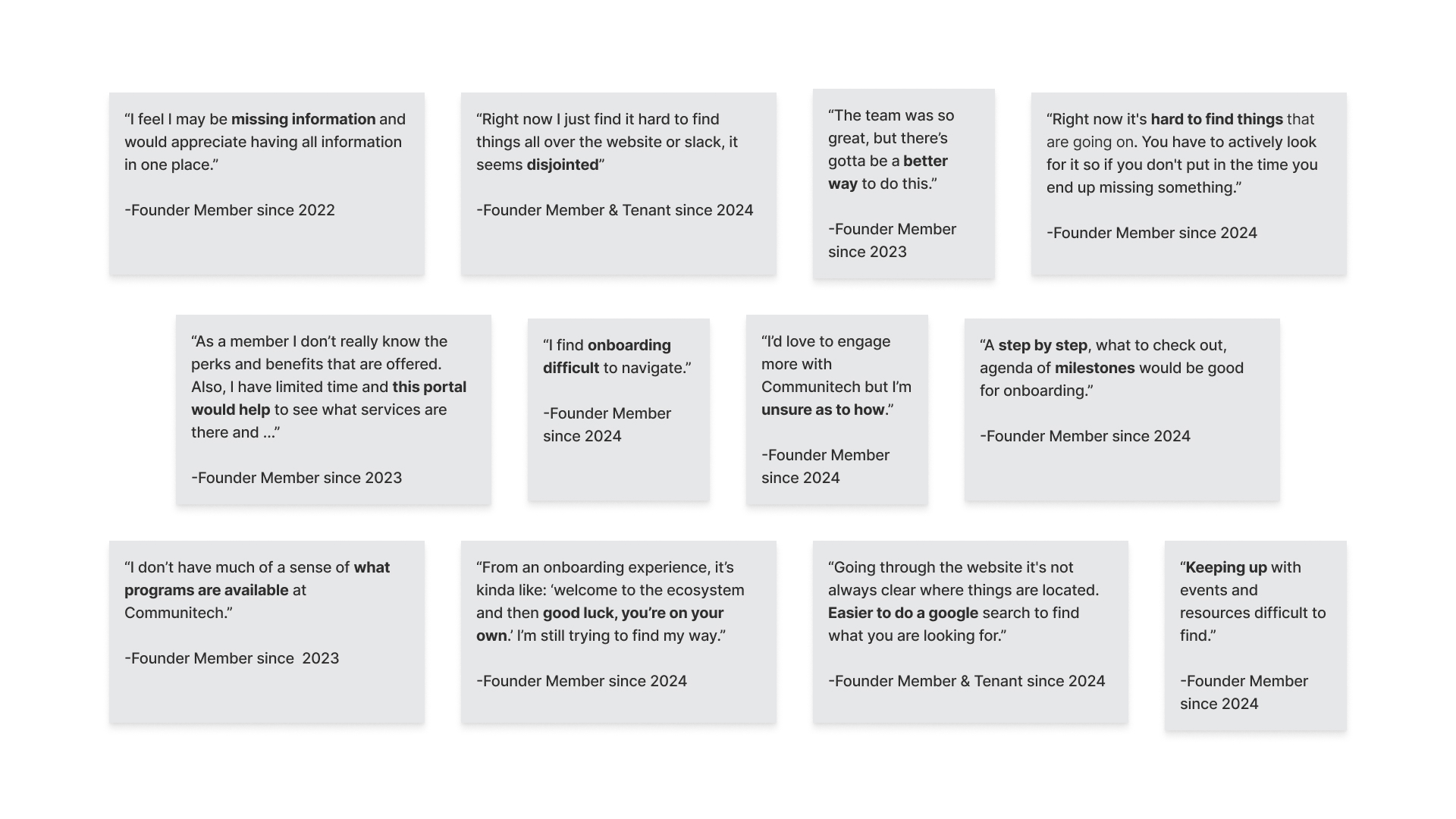
RESEARCH
4 months of mixed method research
As the sole designer, I led a mixed-methods research project to understand both client pain points and internal service realities.
- 85 depth interviews with clients and stakeholders
- 21 tree tests with clients and staff
- 9 usability tests on existing tools
- 1000+ historical surveys reviewed
- journey mapping across multiple service entry points
- workflow mapping with each team
This research surfaced clear areas of improvement:
- increasing discoverability of service information, including membership benefits, programming, intake processes and onboarding
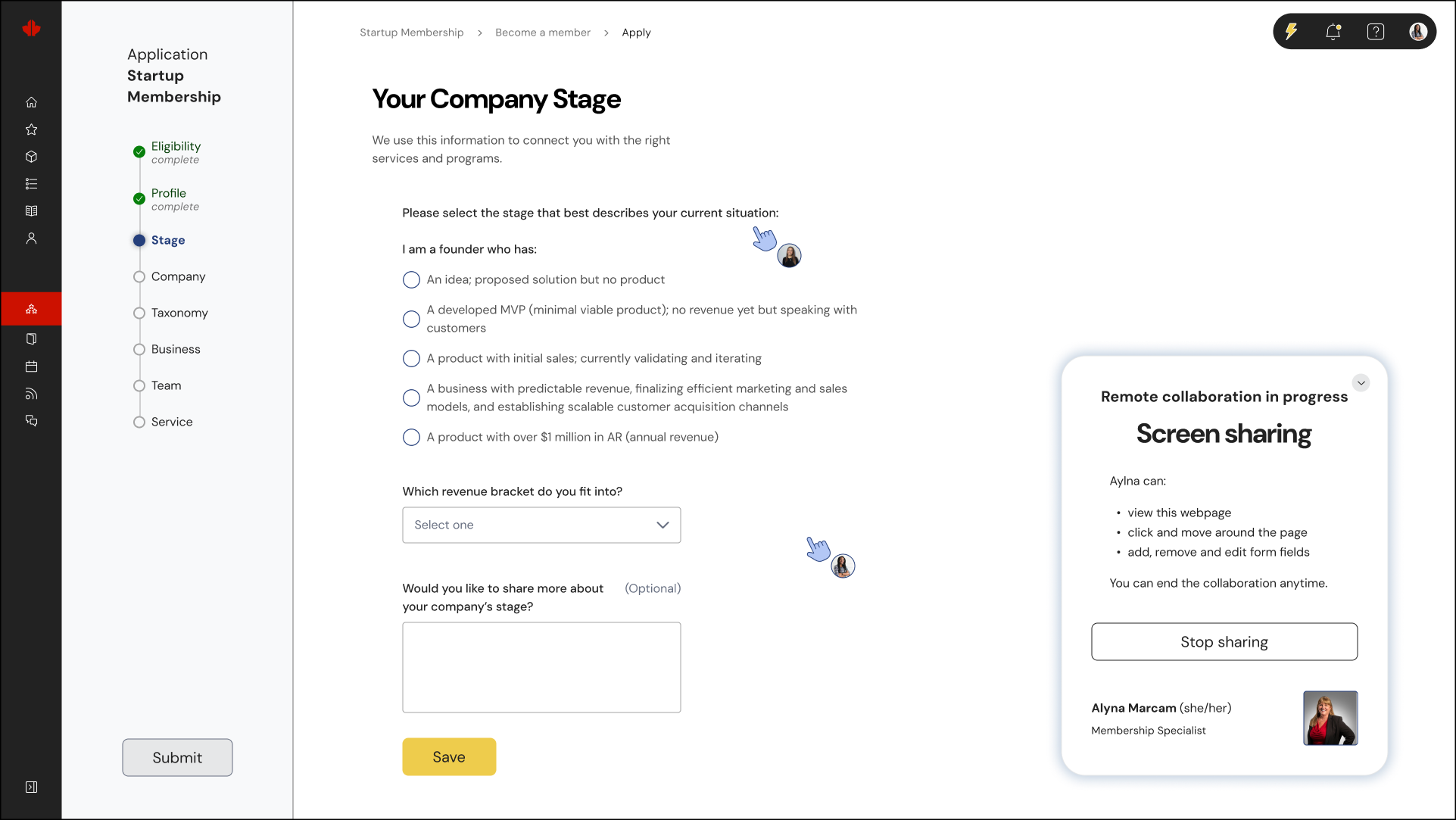
- simplifying data intake across program and membership
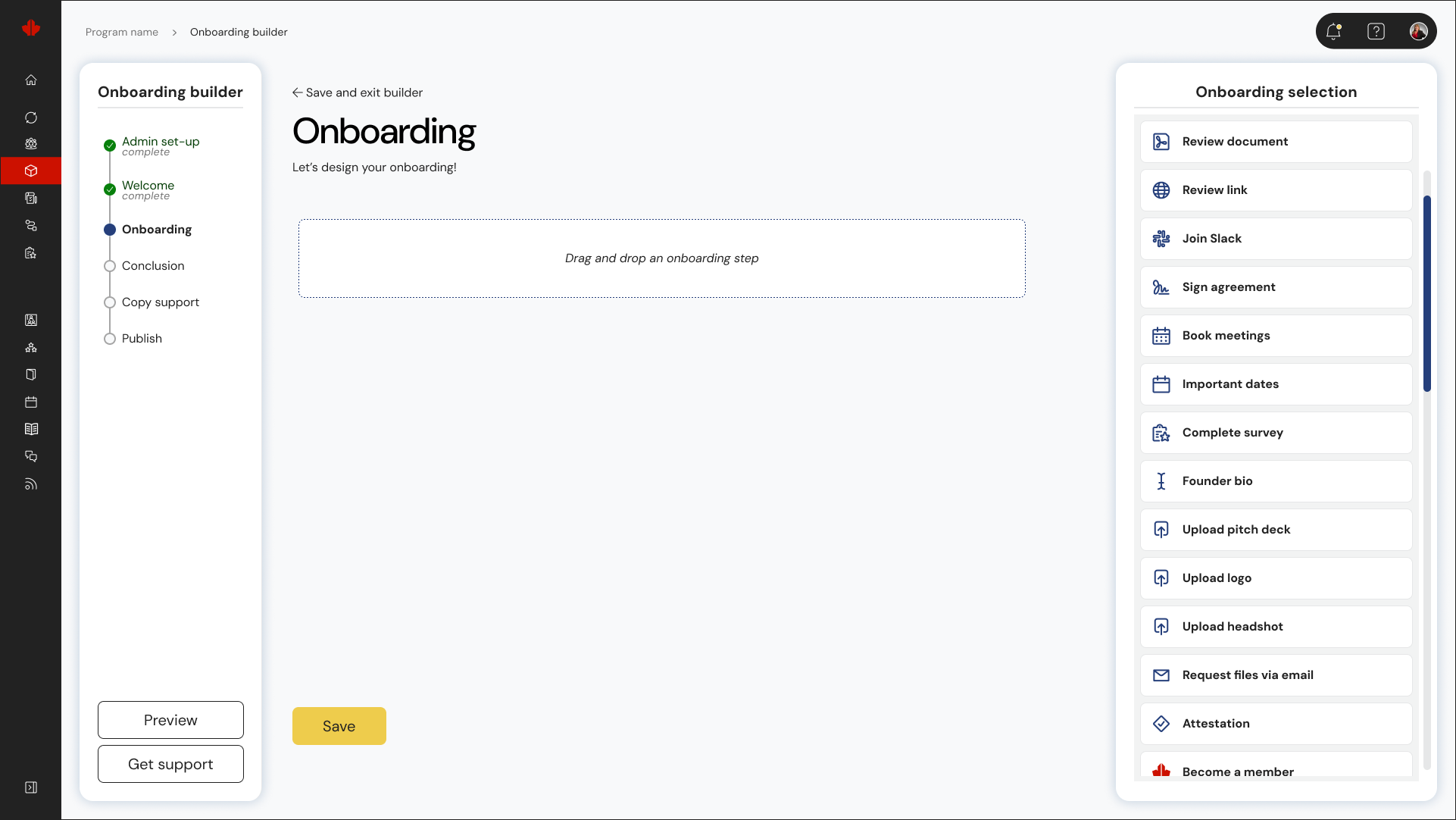
- streamlining onboarding and wayfinding
- unifying workflows, communication efforts and tools

SOLUTION
Service design, strategy & UX
I guided stakeholders to recognize that UX best practices alone would not resolve the core usability challenges. Instead, we needed to re-examine and redesign the underlying service strategy to simplify the experience for real user’s.
The solution was a centralized client-facing portal powered by a set of admin-facing tools and a custom CRM, designed to unify service delivery across teams.
.jpg)
IMPACT
Exactly what's been missing
The portal design has been celebrated internally for it's clarity and foresight. Admins can now manage programs and onboarding through connected tools, while clients gain a clear sense of their journey with the organization.
Stakeholders described the redesign as an important tool for the company to scale whilst clients describe it as the solution to what's been missing.
Development is ongoing.
.jpg)
LEARNING
Service design is essential
This project reinforced a core lesson in my practice: UX can't compensate for fragmented services.
True usability improvements requires us to slow down for a moment, deeply understand the organization and align stakeholders around systemic change. By bridging UX, service design and internal operations, I was able to create a solution that worked for the service ecosystem.
It also strengthened my ability to:
- Challenge surface-level problem framing with research
- Facilitating alignment across many independent stakeholders
- Design admin tools that enable real workflows